Gardenia
Also Known As: Gardenia Jasminoides, Cape Jasmine, Common Gardenia, White Gardenia, Gardenia, Jasmine Gardenia, Gummie, Gumbi, Cánh Dày, Cape Jessamine.
| Plant Name: | Gardenia |
| Latin Name: | Gardenia jasminoides |
| Days to Germinate: | 28-70 |
| Days to Bloom: | 1 - 3 Years |
| Plant Height: | 3 - 10 Feet |
| Spread: | 3 - 8 Feet |
| Bloom Diameter: | 3 - 4 Inches |
| Growth Habit: | Bush |
| USDA Zones: | 7-11 |
| Lifespan: | Perennial |
| Brand: | TomorrowSeeds |
| Sunlight: | Full Sun, Partial Shade |
| Pollination: | Heirloom, Open-Pollinated |
| GMO: | No |
| Fungicide-Treated Seeds*: | No |
| Seeds Packed For**: | 2026 |
**Seeds are freshly packed for the growing season of the year listed. Seeds are still viable beyond pack date. Store in a cool and dry location such as the refrigerator or basement to best preserve germination rates.
Planting Instructions:
Soil Preparation:
Choose an area with heavy, well-draining soil that receives at least 6 hours of sunlight each day. Remove weeds, large rocks, and litter from the planting area. Leave small weeds and dead grass, they will enrich the soil when turned under. Spade or till the soil 6-8 inches deep. Loosening the soil will help the plant establish strong roots. If the soil is heavy or clay-like, mix in some sand or compost to improve drainage. Optionally, form rows of soil beds 4-6 inches high and at least 3 feet apart. This formation of ridges will help with drainage, ensure good airflow, and make harvesting for cut flowers easier. Lay down 1/2"-3/4" peat moss, sawdust, or potting soil, the soil surface. This layer is beneficial for flower seeds because it can the improve the germination environment and prevent soil crusting.
Planting:
Gardenia grows best in warm, humid weather (70F-75F).Starting Indoors: Gardenia seeds do not require stratification, but may have a long germination period. Soak seeds in warm tap water for 24 hours to soften the seed coat. Sow seeds 1/4 inch deep in a flat with moist, fertile potting soil in flats 2-3 weeks before the last expected frost date in Spring, keeping seedlings at least 70F. Harden off then transplant seedlings outdoors in a sunny location when the soil temperature is above 65F. To transplant seedlings, prepare a transplant hole outdoors in a sunny location. Remove the plants carefully from the pots or flats and set them in the holes, burying some of the stem in the ground. Pack the soil loosely around the plant and leave a slightly sunken area around each plant to hold water. Water the plants after transplanting.
Directly Sowing: If directly sowing outdoors, plant in mid-late spring when the soil warms to at least 70F. To plant, make holes 1/4 inch deep and spaced 6 feet apart down the rows of raised beds, or 4 feet apart for hedges. Cover seeds thinly with soil and water after planting.
Once Gardenia seedlings are 4-6 inches tall and have several sets of true leaves, transplant them to their permanent location. To transplant seedlings, prepare a transplant hole outdoors in a sunny location. Remove the plants carefully from the pots or flats and set them in the transplant holes, burying some of the stem in the ground. Pack the soil loosely around the plant and leave a slightly sunken area around each plant to hold water. Water the plants after transplanting.
| Planting Depth: | 1/4 inch |
| Within-Row Spacing: | 4-6 feet |
| Between-Row Spacing: | 6 feet |
Care During the Season:
Gardenias thrive with consistent moisture, bright indirect sunlight, and warm, humid conditions. Water regularly to keep the soil evenly moist but never soggy, using rainwater or distilled water if possible, as gardenias are sensitive to minerals. Feed every 2–4 weeks with an acid-loving plant fertilizer to support lush green growth and abundant blooms. Maintain humidity by misting, placing the plant on a pebble tray, or growing it in a naturally humid area, and protect it from temperature swings or cold drafts. Light pruning after flowering helps maintain shape and encourages healthy new growth, while promptly removing spent blooms keeps the plant focused on producing more flowers.
Product Information
Product Information
Shipping & Returns
Shipping & Returns
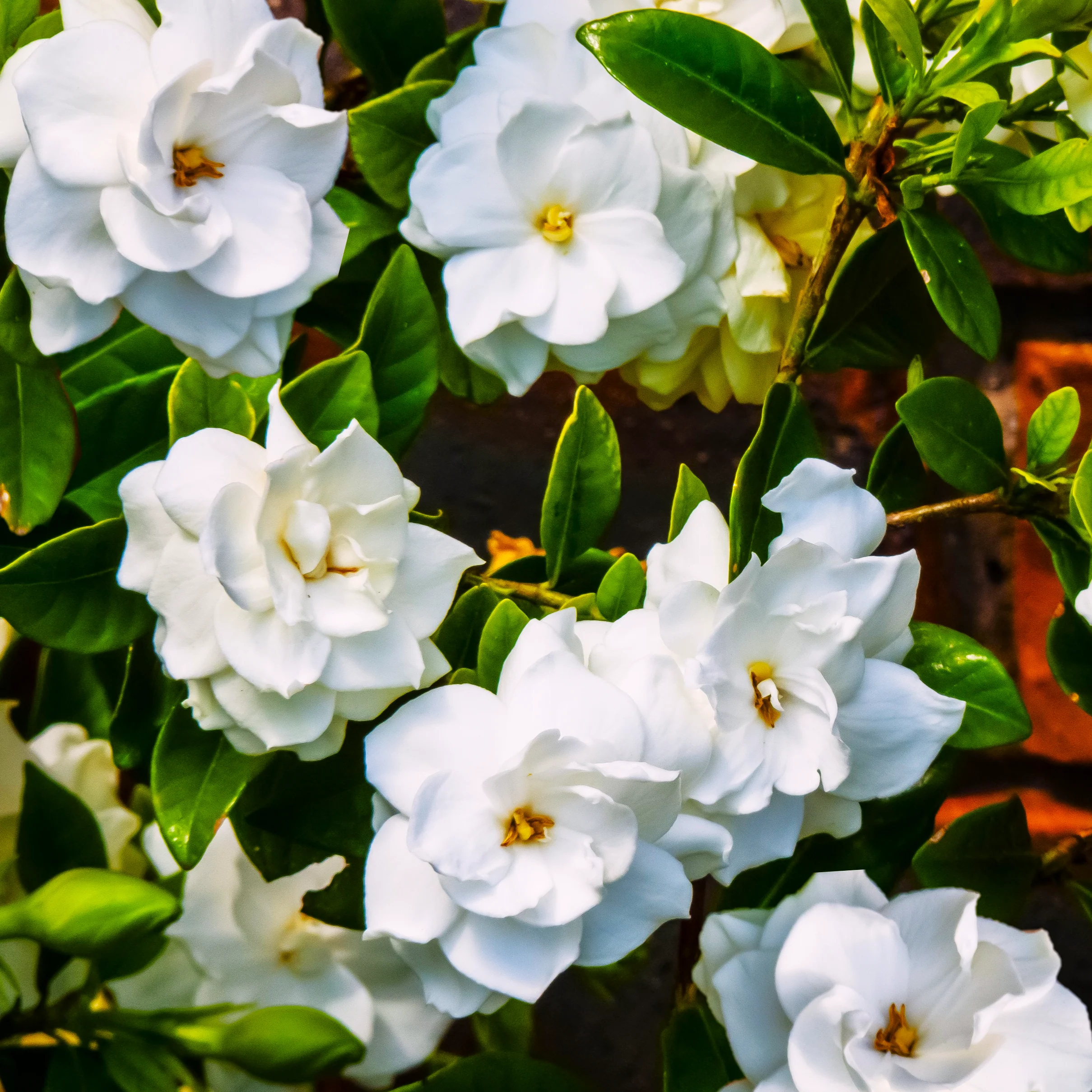
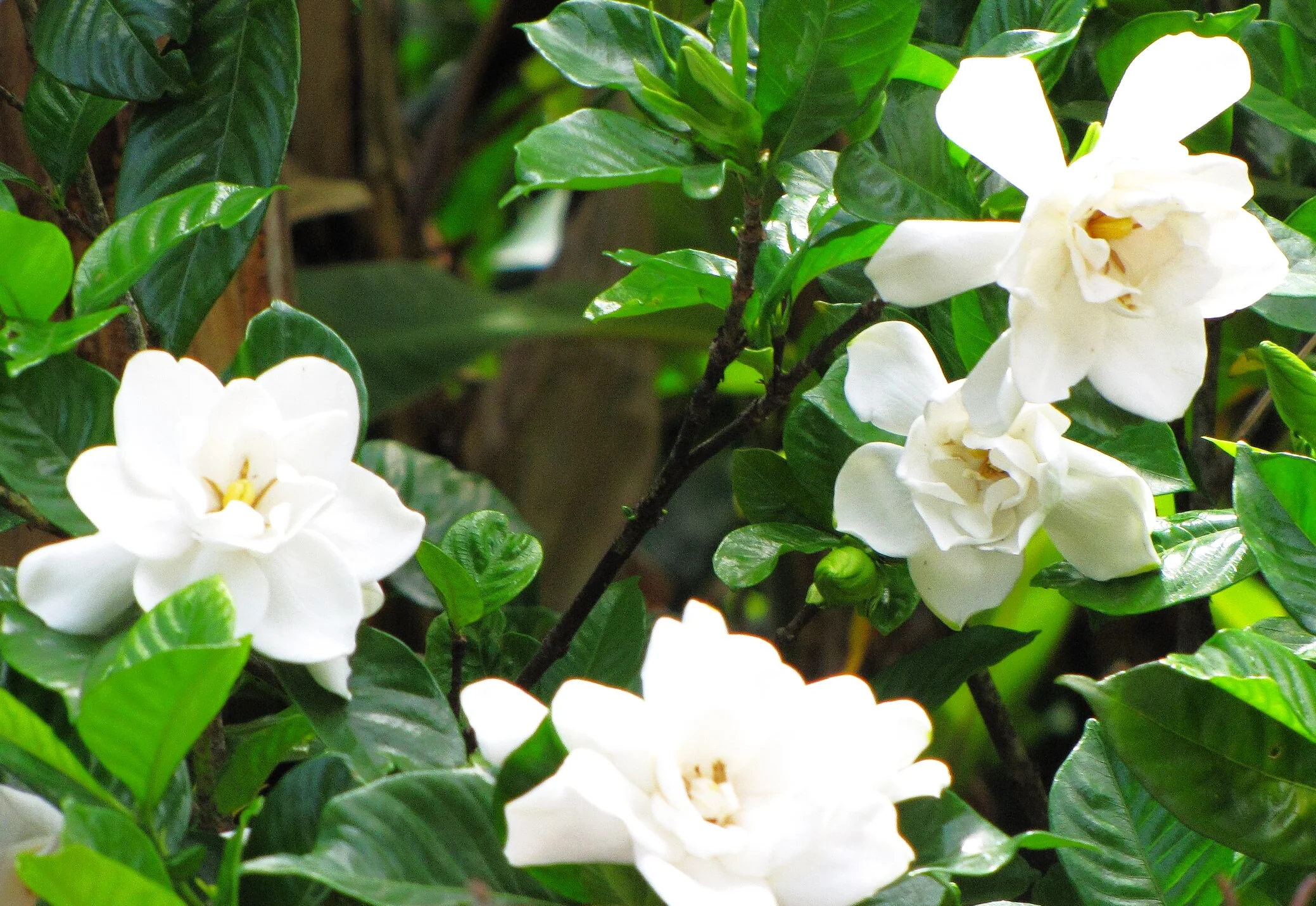
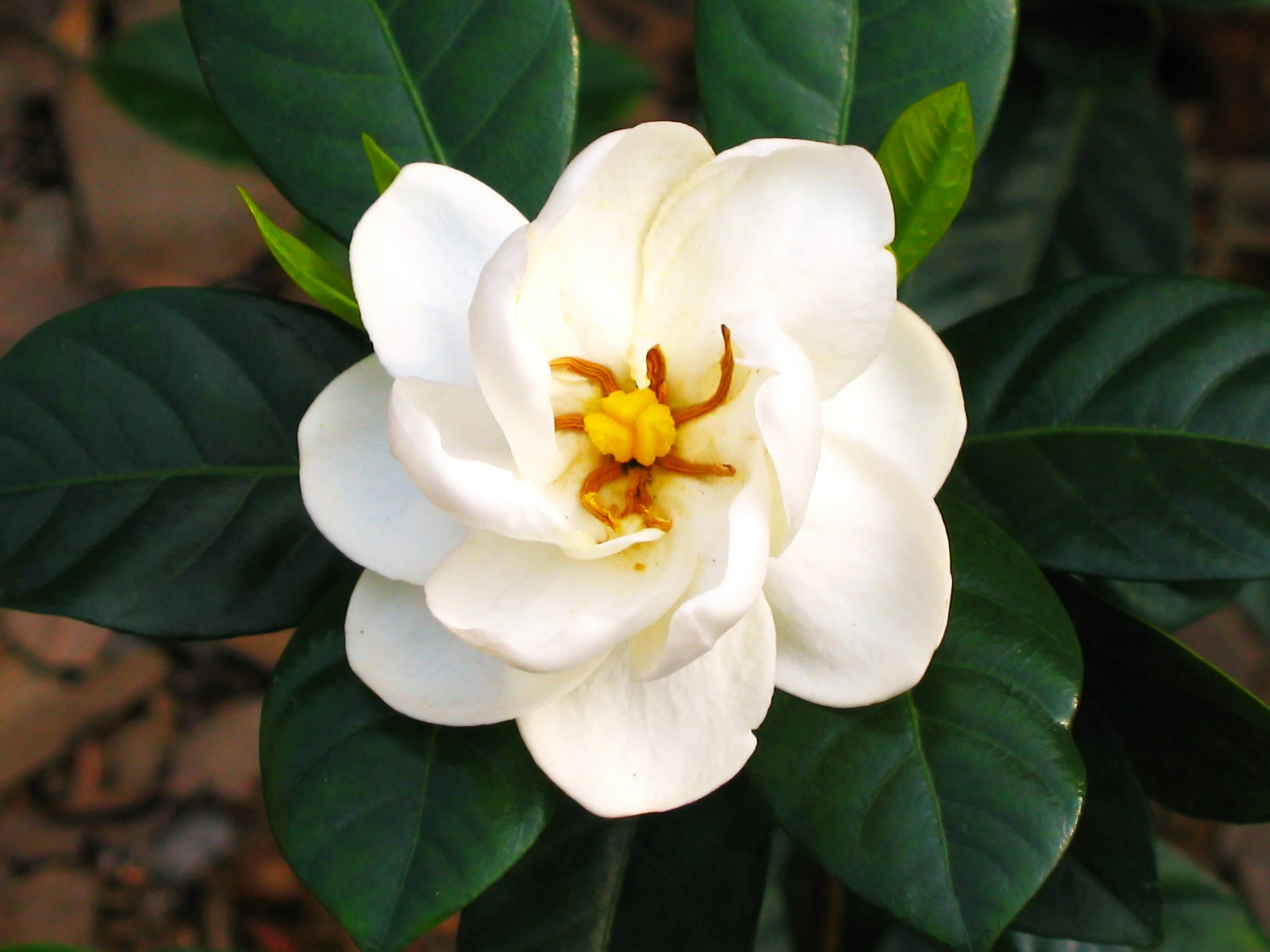
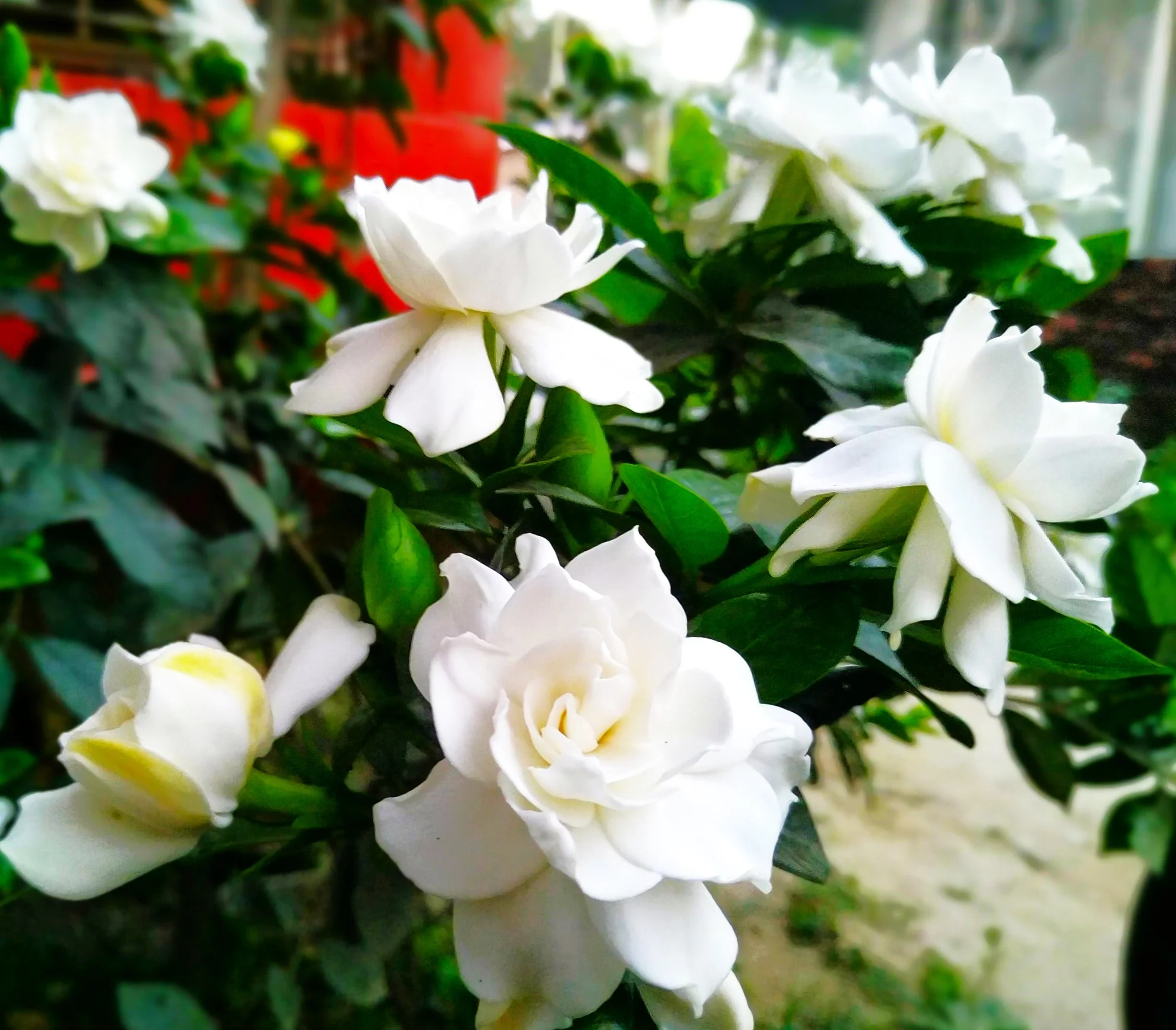
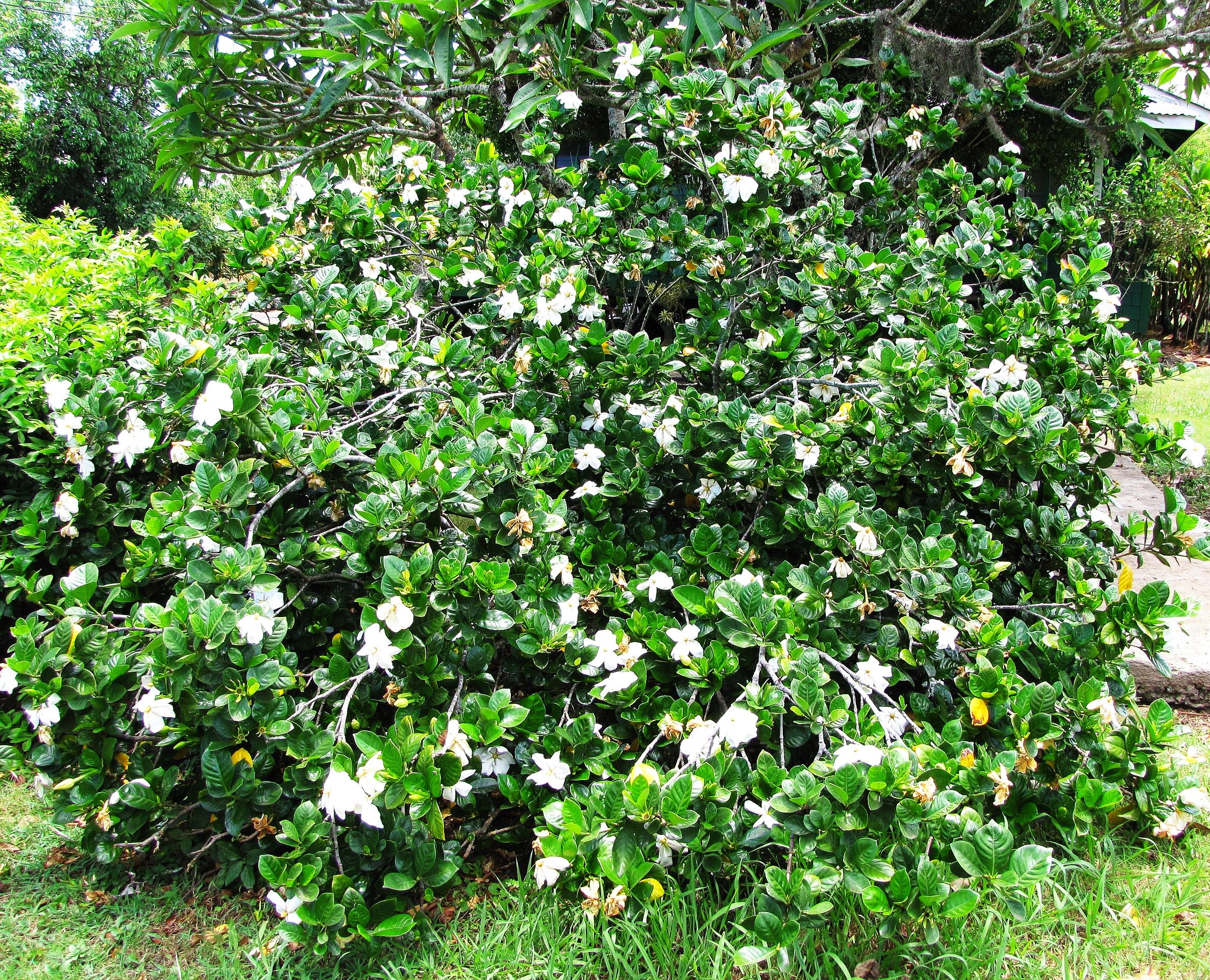
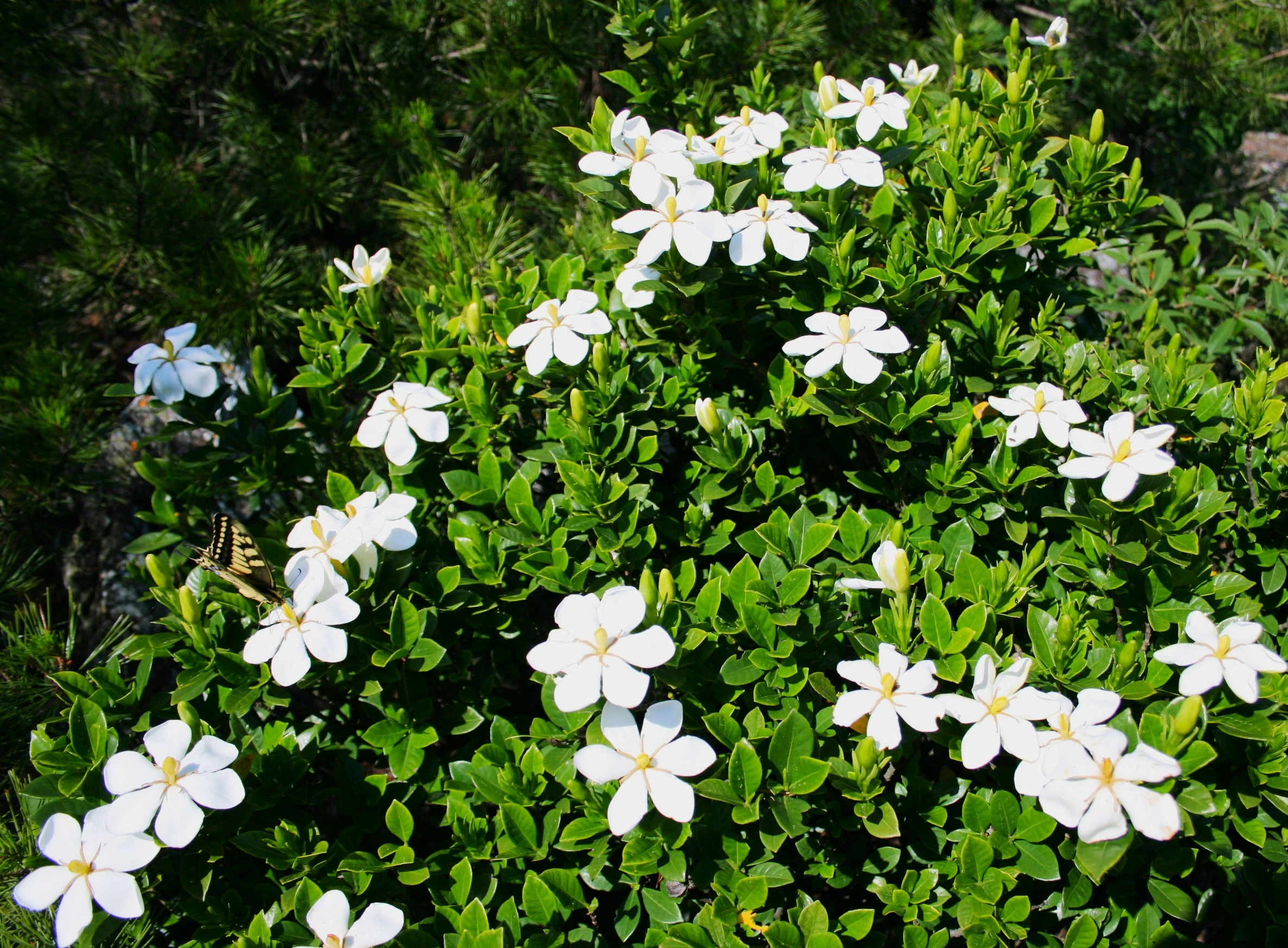
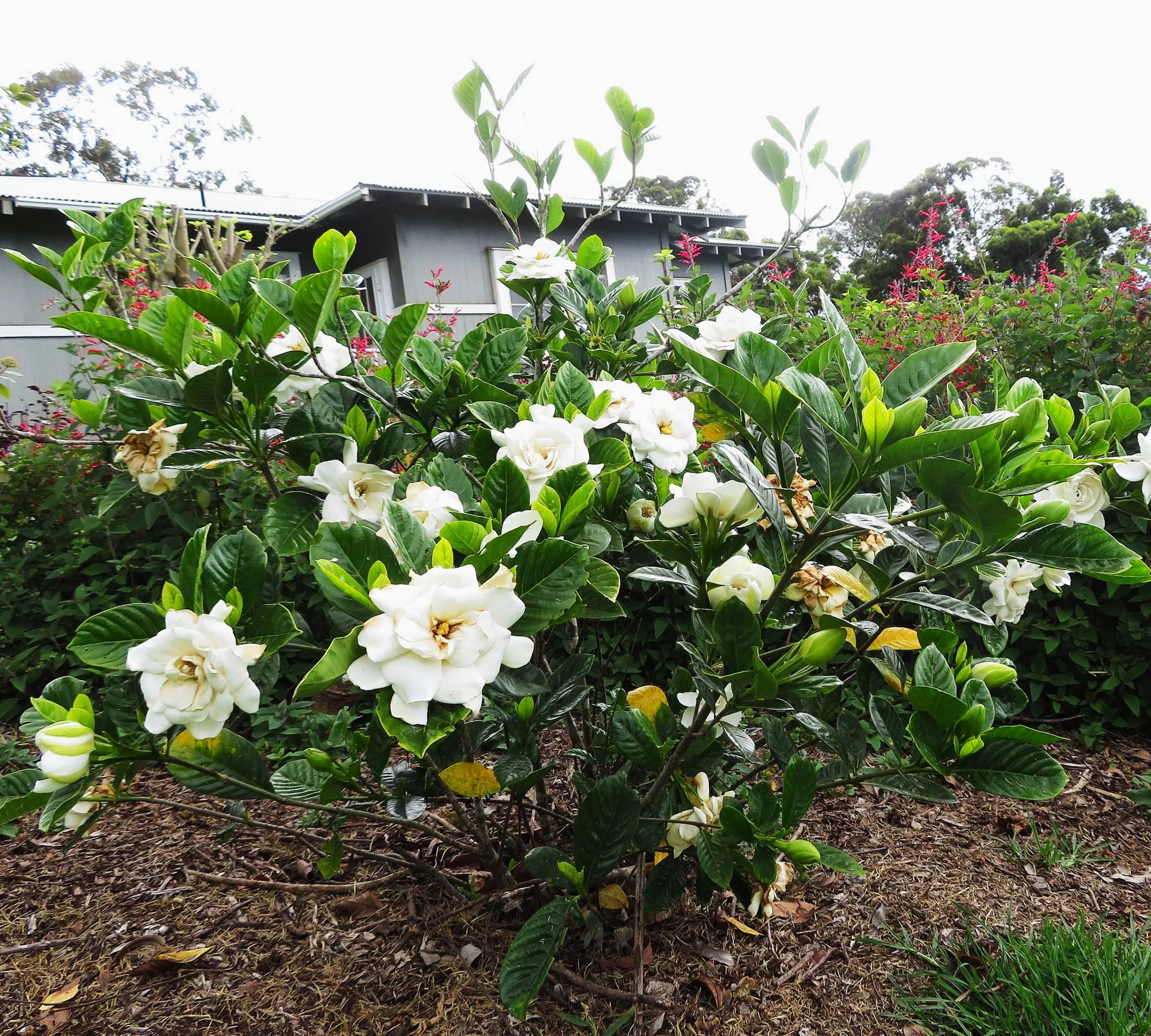
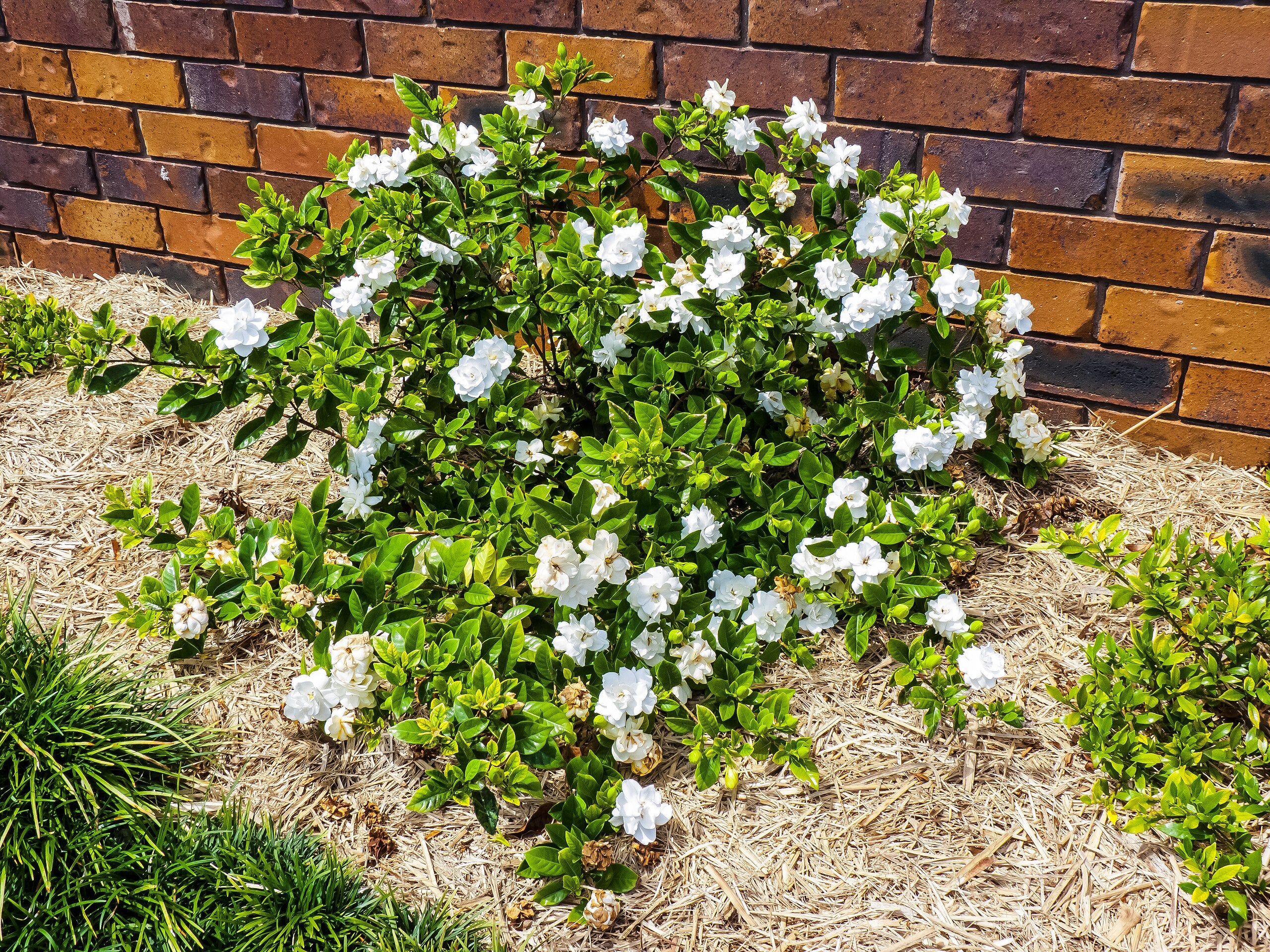
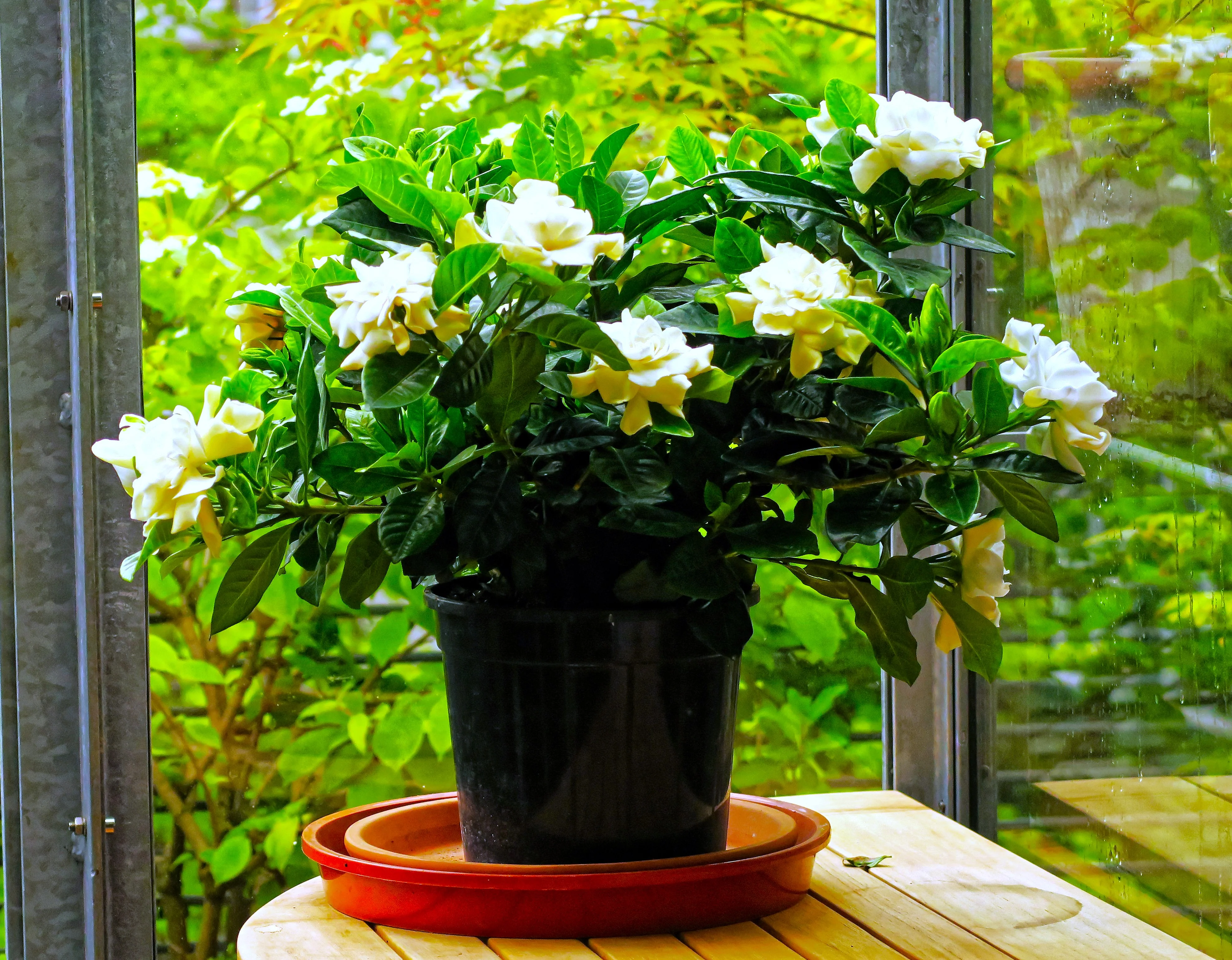
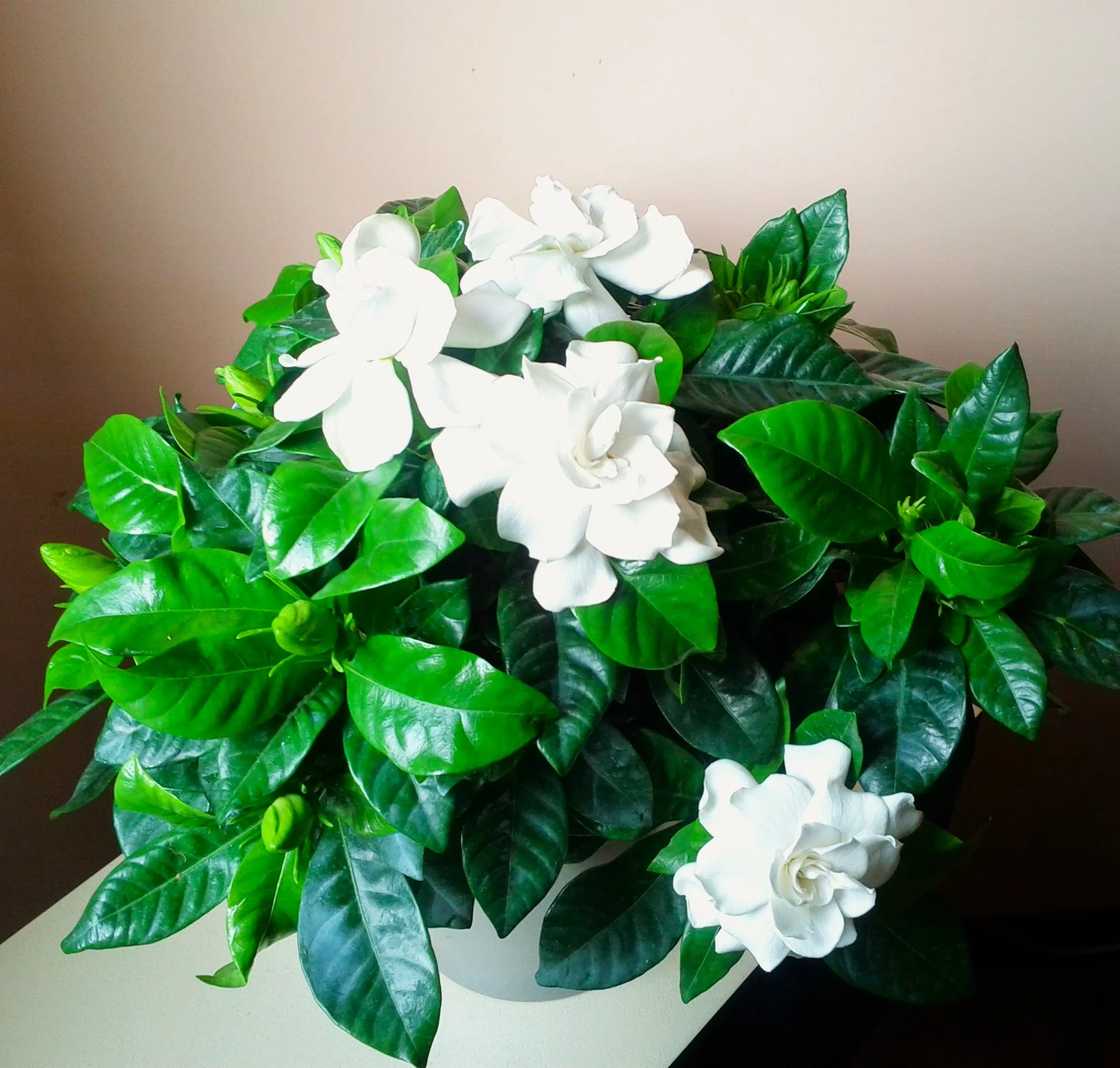
Gardenia
Gardenia
Also Known As: Gardenia Jasminoides, Cape Jasmine, Common Gardenia, White Gardenia, Gardenia, Jasmine Gardenia, Gummie, Gumbi, Cánh Dày, Cape Jessamine.
| Plant Name: | Gardenia |
| Latin Name: | Gardenia jasminoides |
| Days to Germinate: | 28-70 |
| Days to Bloom: | 1 - 3 Years |
| Plant Height: | 3 - 10 Feet |
| Spread: | 3 - 8 Feet |
| Bloom Diameter: | 3 - 4 Inches |
| Growth Habit: | Bush |
| USDA Zones: | 7-11 |
| Lifespan: | Perennial |
| Brand: | TomorrowSeeds |
| Sunlight: | Full Sun, Partial Shade |
| Pollination: | Heirloom, Open-Pollinated |
| GMO: | No |
| Fungicide-Treated Seeds*: | No |
| Seeds Packed For**: | 2026 |
**Seeds are freshly packed for the growing season of the year listed. Seeds are still viable beyond pack date. Store in a cool and dry location such as the refrigerator or basement to best preserve germination rates.
Planting Instructions:
Soil Preparation:
Choose an area with heavy, well-draining soil that receives at least 6 hours of sunlight each day. Remove weeds, large rocks, and litter from the planting area. Leave small weeds and dead grass, they will enrich the soil when turned under. Spade or till the soil 6-8 inches deep. Loosening the soil will help the plant establish strong roots. If the soil is heavy or clay-like, mix in some sand or compost to improve drainage. Optionally, form rows of soil beds 4-6 inches high and at least 3 feet apart. This formation of ridges will help with drainage, ensure good airflow, and make harvesting for cut flowers easier. Lay down 1/2"-3/4" peat moss, sawdust, or potting soil, the soil surface. This layer is beneficial for flower seeds because it can the improve the germination environment and prevent soil crusting.
Planting:
Gardenia grows best in warm, humid weather (70F-75F).Starting Indoors: Gardenia seeds do not require stratification, but may have a long germination period. Soak seeds in warm tap water for 24 hours to soften the seed coat. Sow seeds 1/4 inch deep in a flat with moist, fertile potting soil in flats 2-3 weeks before the last expected frost date in Spring, keeping seedlings at least 70F. Harden off then transplant seedlings outdoors in a sunny location when the soil temperature is above 65F. To transplant seedlings, prepare a transplant hole outdoors in a sunny location. Remove the plants carefully from the pots or flats and set them in the holes, burying some of the stem in the ground. Pack the soil loosely around the plant and leave a slightly sunken area around each plant to hold water. Water the plants after transplanting.
Directly Sowing: If directly sowing outdoors, plant in mid-late spring when the soil warms to at least 70F. To plant, make holes 1/4 inch deep and spaced 6 feet apart down the rows of raised beds, or 4 feet apart for hedges. Cover seeds thinly with soil and water after planting.
Once Gardenia seedlings are 4-6 inches tall and have several sets of true leaves, transplant them to their permanent location. To transplant seedlings, prepare a transplant hole outdoors in a sunny location. Remove the plants carefully from the pots or flats and set them in the transplant holes, burying some of the stem in the ground. Pack the soil loosely around the plant and leave a slightly sunken area around each plant to hold water. Water the plants after transplanting.
| Planting Depth: | 1/4 inch |
| Within-Row Spacing: | 4-6 feet |
| Between-Row Spacing: | 6 feet |
Care During the Season:
Gardenias thrive with consistent moisture, bright indirect sunlight, and warm, humid conditions. Water regularly to keep the soil evenly moist but never soggy, using rainwater or distilled water if possible, as gardenias are sensitive to minerals. Feed every 2–4 weeks with an acid-loving plant fertilizer to support lush green growth and abundant blooms. Maintain humidity by misting, placing the plant on a pebble tray, or growing it in a naturally humid area, and protect it from temperature swings or cold drafts. Light pruning after flowering helps maintain shape and encourages healthy new growth, while promptly removing spent blooms keeps the plant focused on producing more flowers.
Original: $4.95
-70%$4.95
$1.49Product Information
Product Information
Shipping & Returns
Shipping & Returns
Description
Also Known As: Gardenia Jasminoides, Cape Jasmine, Common Gardenia, White Gardenia, Gardenia, Jasmine Gardenia, Gummie, Gumbi, Cánh Dày, Cape Jessamine.
| Plant Name: | Gardenia |
| Latin Name: | Gardenia jasminoides |
| Days to Germinate: | 28-70 |
| Days to Bloom: | 1 - 3 Years |
| Plant Height: | 3 - 10 Feet |
| Spread: | 3 - 8 Feet |
| Bloom Diameter: | 3 - 4 Inches |
| Growth Habit: | Bush |
| USDA Zones: | 7-11 |
| Lifespan: | Perennial |
| Brand: | TomorrowSeeds |
| Sunlight: | Full Sun, Partial Shade |
| Pollination: | Heirloom, Open-Pollinated |
| GMO: | No |
| Fungicide-Treated Seeds*: | No |
| Seeds Packed For**: | 2026 |
**Seeds are freshly packed for the growing season of the year listed. Seeds are still viable beyond pack date. Store in a cool and dry location such as the refrigerator or basement to best preserve germination rates.
Planting Instructions:
Soil Preparation:
Choose an area with heavy, well-draining soil that receives at least 6 hours of sunlight each day. Remove weeds, large rocks, and litter from the planting area. Leave small weeds and dead grass, they will enrich the soil when turned under. Spade or till the soil 6-8 inches deep. Loosening the soil will help the plant establish strong roots. If the soil is heavy or clay-like, mix in some sand or compost to improve drainage. Optionally, form rows of soil beds 4-6 inches high and at least 3 feet apart. This formation of ridges will help with drainage, ensure good airflow, and make harvesting for cut flowers easier. Lay down 1/2"-3/4" peat moss, sawdust, or potting soil, the soil surface. This layer is beneficial for flower seeds because it can the improve the germination environment and prevent soil crusting.
Planting:
Gardenia grows best in warm, humid weather (70F-75F).Starting Indoors: Gardenia seeds do not require stratification, but may have a long germination period. Soak seeds in warm tap water for 24 hours to soften the seed coat. Sow seeds 1/4 inch deep in a flat with moist, fertile potting soil in flats 2-3 weeks before the last expected frost date in Spring, keeping seedlings at least 70F. Harden off then transplant seedlings outdoors in a sunny location when the soil temperature is above 65F. To transplant seedlings, prepare a transplant hole outdoors in a sunny location. Remove the plants carefully from the pots or flats and set them in the holes, burying some of the stem in the ground. Pack the soil loosely around the plant and leave a slightly sunken area around each plant to hold water. Water the plants after transplanting.
Directly Sowing: If directly sowing outdoors, plant in mid-late spring when the soil warms to at least 70F. To plant, make holes 1/4 inch deep and spaced 6 feet apart down the rows of raised beds, or 4 feet apart for hedges. Cover seeds thinly with soil and water after planting.
Once Gardenia seedlings are 4-6 inches tall and have several sets of true leaves, transplant them to their permanent location. To transplant seedlings, prepare a transplant hole outdoors in a sunny location. Remove the plants carefully from the pots or flats and set them in the transplant holes, burying some of the stem in the ground. Pack the soil loosely around the plant and leave a slightly sunken area around each plant to hold water. Water the plants after transplanting.
| Planting Depth: | 1/4 inch |
| Within-Row Spacing: | 4-6 feet |
| Between-Row Spacing: | 6 feet |
Care During the Season:
Gardenias thrive with consistent moisture, bright indirect sunlight, and warm, humid conditions. Water regularly to keep the soil evenly moist but never soggy, using rainwater or distilled water if possible, as gardenias are sensitive to minerals. Feed every 2–4 weeks with an acid-loving plant fertilizer to support lush green growth and abundant blooms. Maintain humidity by misting, placing the plant on a pebble tray, or growing it in a naturally humid area, and protect it from temperature swings or cold drafts. Light pruning after flowering helps maintain shape and encourages healthy new growth, while promptly removing spent blooms keeps the plant focused on producing more flowers.