Rox Orange Syrup Cane Sorghum
Also Known As: Rox Orange Sorghum, Syrup Cane, Sweet Sorghum, Sorghum Bicolor, African Millet, Sugar Drip, Orange Syrup Cane, Chinese Sugar Cane, Sorgo De Azúcar, Melaza De Caña, Amber Cane, Heritage Syrup Sorghum, Forage Sorghum, Silage Sorghum, Sweet Stalk Sorghum.
| Plant Name: | Sorghum, Rox Orange Sugar Cane |
| Latin Name: | Sorghum bicolor |
| Days to Germinate: | 7-14 |
| Days to Harvest: | 100 |
| Plant Height: | 6 - 16 Feet |
| Spread: | 2 - 3 Feet |
| Bloom Diameter: | 12 - 18 Inches |
| Growth Habit: | Upright |
| USDA Zones: | 2-12 |
| Lifespan: | Annual |
| Brand: | TomorrowSeeds |
| Sunlight: | Full Sun, Partial Shade |
| Pollination: | Heirloom, Open-Pollinated |
| GMO: | No |
| Fungicide-Treated Seeds*: | No |
| Seeds Packed For**: | 2026 |
**Seeds are freshly packed for the growing season of the year listed. Seeds are still viable beyond pack date. Store in a cool and dry location such as the refrigerator or basement to best preserve germination rates.
Planting Instructions:
Soil Preparation:
Choose an area with heavy, well-draining soil that receives at least 6 hours of sunlight each day. Remove weeds, large rocks, and litter from the planting area. Leave small weeds and dead grass, they will enrich the soil when turned under. Spade or till the soil 6-8 inches deep. Loosening the soil will help the plant establish strong roots. If the soil is heavy or clay-like, mix in some sand or compost to improve drainage. Optionally, form rows of soil beds 4-6 inches high and at least 2 feet apart. This formation of ridges will help with drainage, ensure good airflow, and make harvesting for cut flowers easier.
Planting:
Sorghum are best direct-sown because they don’t transplant well. Plant Sorghum outdoors in spring when soil temperatures warm to at least 60F. To plant, make holes 1/2 inch deep and spaced 6 inches apart down the rows of raised beds. Plant 1-3 seeds per hole, planting 2-3 seeds if choosing to thin to the strongest plant. When thinning, determine the strongest and healthiest plant, then remove all other plants, narrowing to a single plant per hole. Cover seeds thinly with soil and water after planting.| Planting Depth: | 1/2 inch |
| Within-Row Spacing: | 6 inches |
| Between-Row Spacing: | 2-3 feet |
Care During the Season:
Watering: Water the plants deeply, soaking the soil to a depth of 6-8 inches, once a week. If there is no rainfall, water 2 times a week. Sandy soils may need to be watered more often than heavy clay soils.
Weeding: Keeping plants weed-free improves production. If plowing or hoeing, do not dig deeper than 1 inch to prevent from cutting the feeder roots.
Fertilizing: Once seedlings are established, 3-4 weeks after planting, you may optionally apply 2 tablespoons of a complete fertilizer around each hole, or 1-2 pounds per 100 square feet, without letting the fertilizer touch the plants. Optionally, apply again mid-season in nutrient-poor soil. Water plants after fertilizing.
Insecticides: Insecticides may be used to protect plants. Bt-based insecticides and sulfur are organic options that can be used for prevention. Sulfur also has fungicidal properties and helps in controlling many diseases. Before using a pesticide, read the label and follow cautions, warnings and directions.
Diseases: If spots or mold appear, treat plants with an approved fungicide. Neem oil, sulfur, and other fungicides may be used. When using fungicides always follow label directions.
Harvesting:
Harvest Rox Orange Syrup Cane Sorghum in late summer to early fall, once the stalks are fully mature, tall, and firm, and the leaves begin to dry and yellow, indicating peak sugar content. Cut the canes cleanly at ground level using a sharp machete or pruners, then strip off the leaves and tops to expose the juicy stalks. Process the cane as soon as possible after cutting—ideally within 24 hours—to extract the juice and cook it down into rich, flavorful syrup. Delaying processing can reduce sugar quality, so prompt harvesting ensures the best sweetness and yield.
Product Information
Product Information
Shipping & Returns
Shipping & Returns
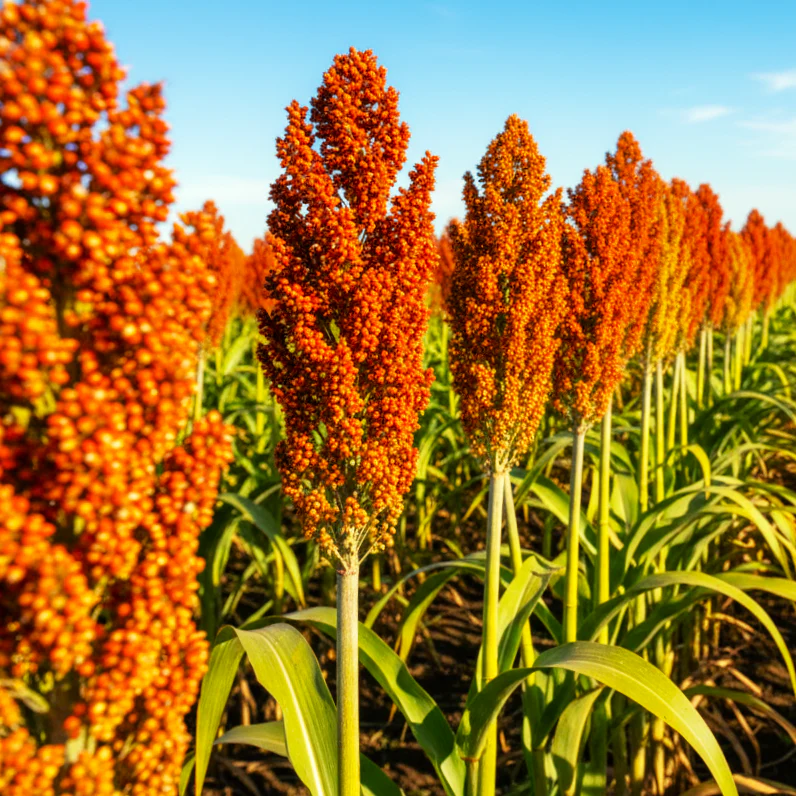
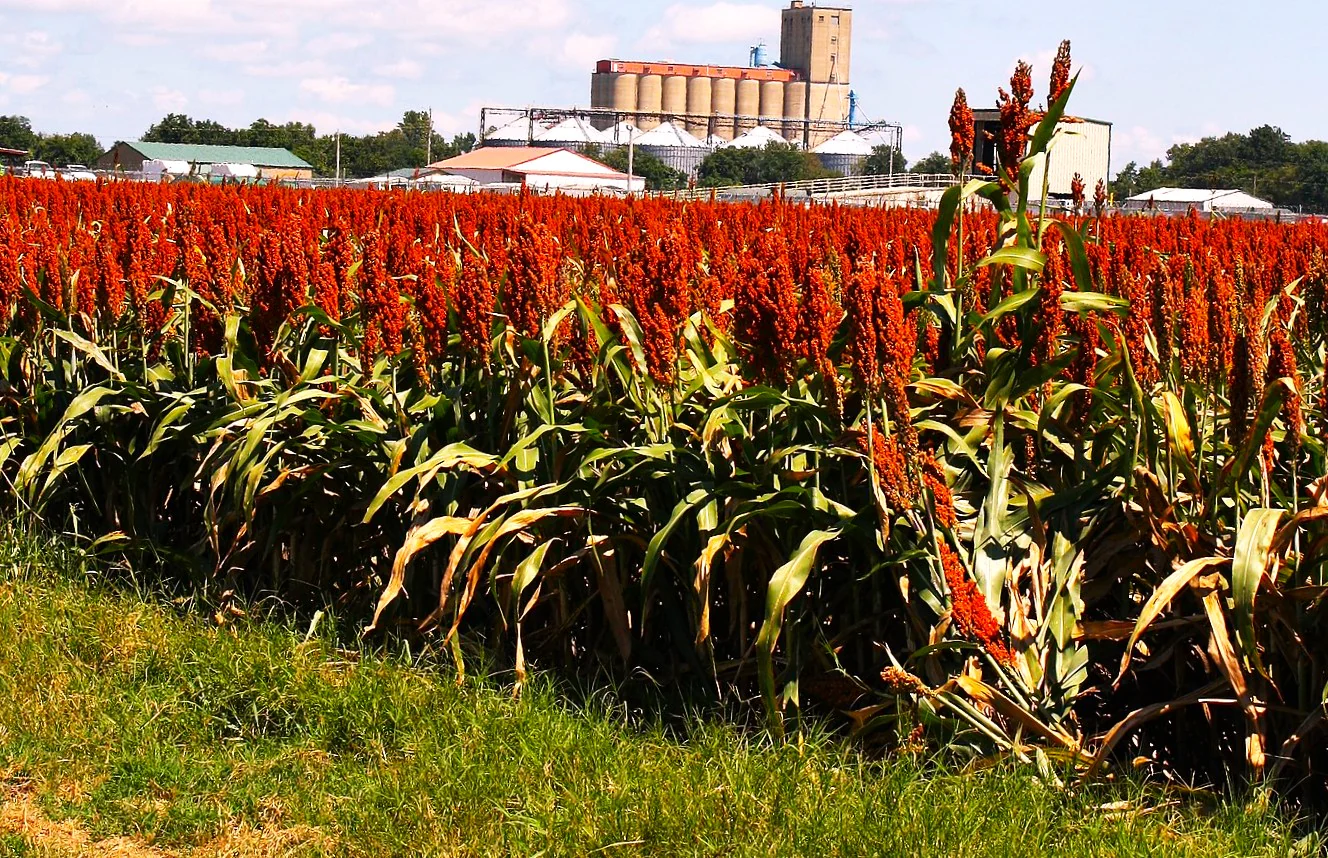
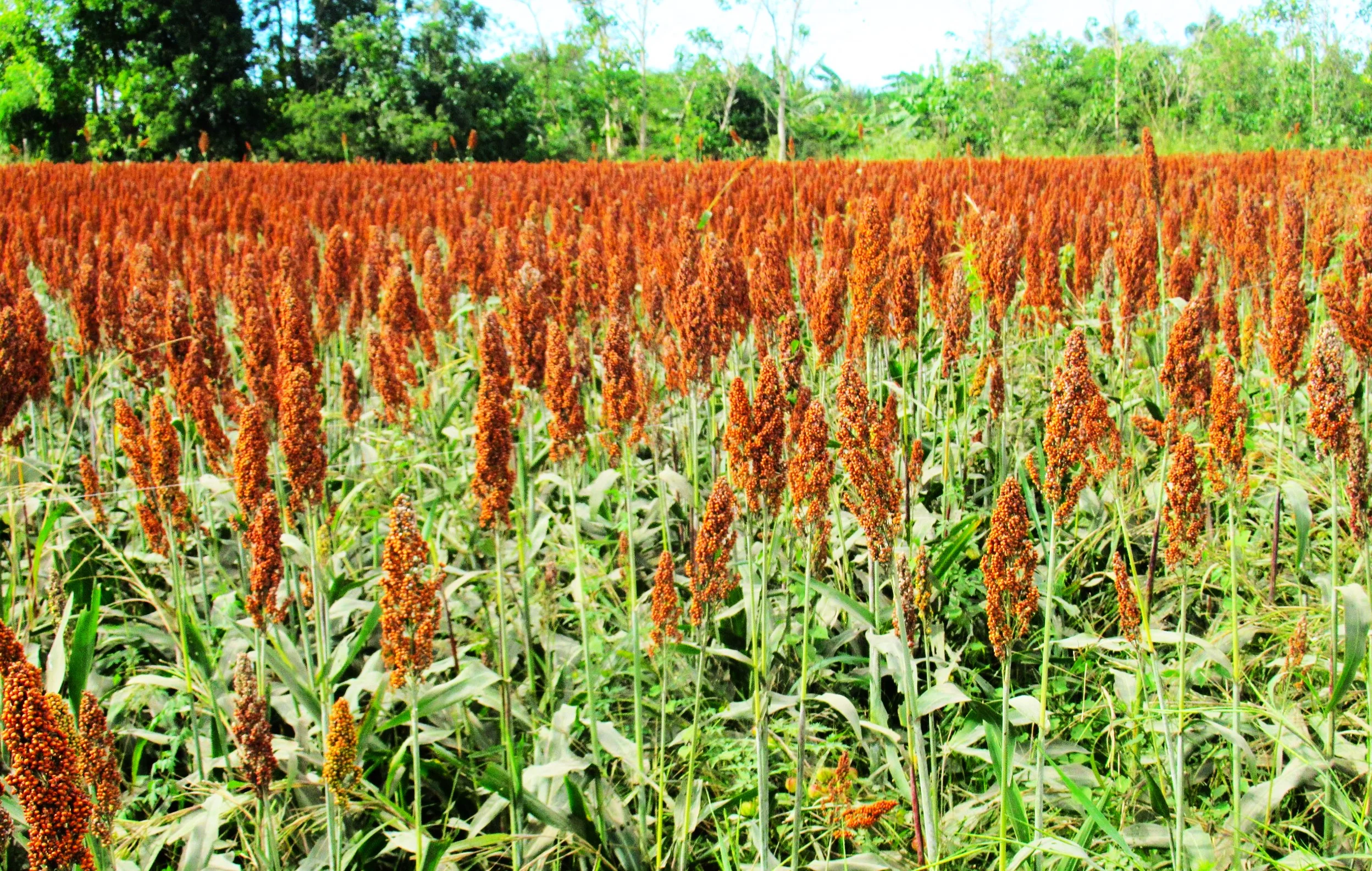
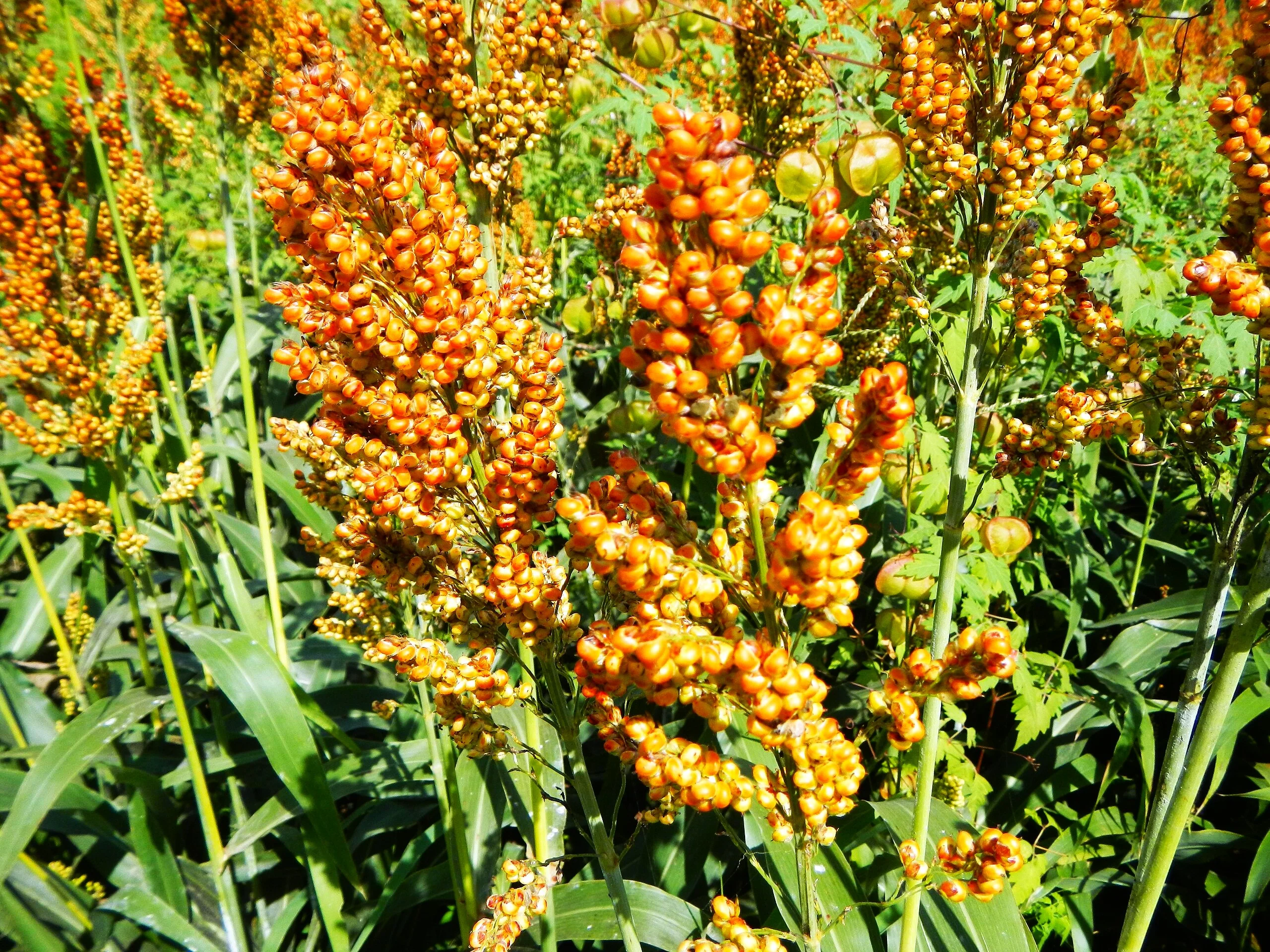
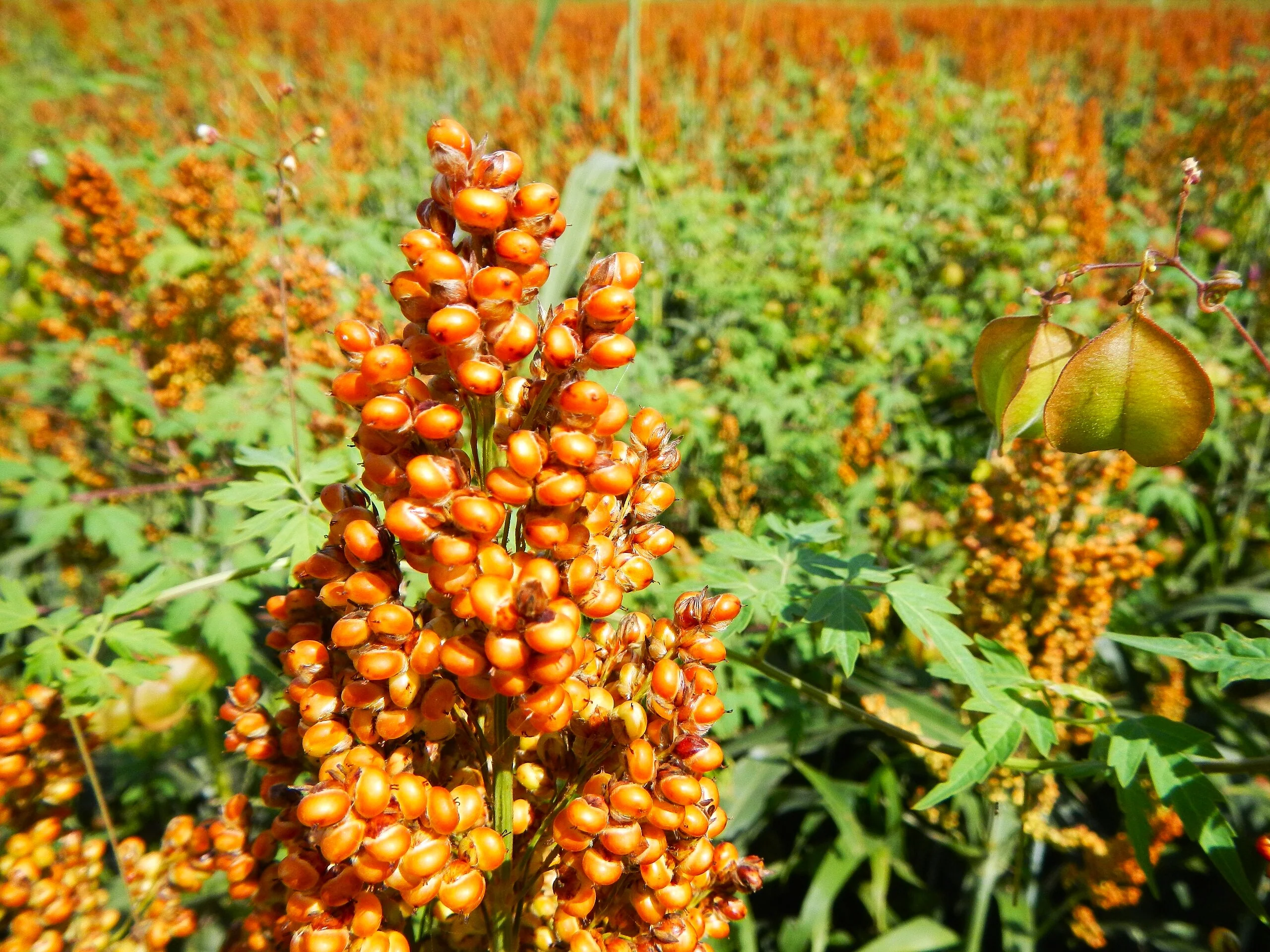
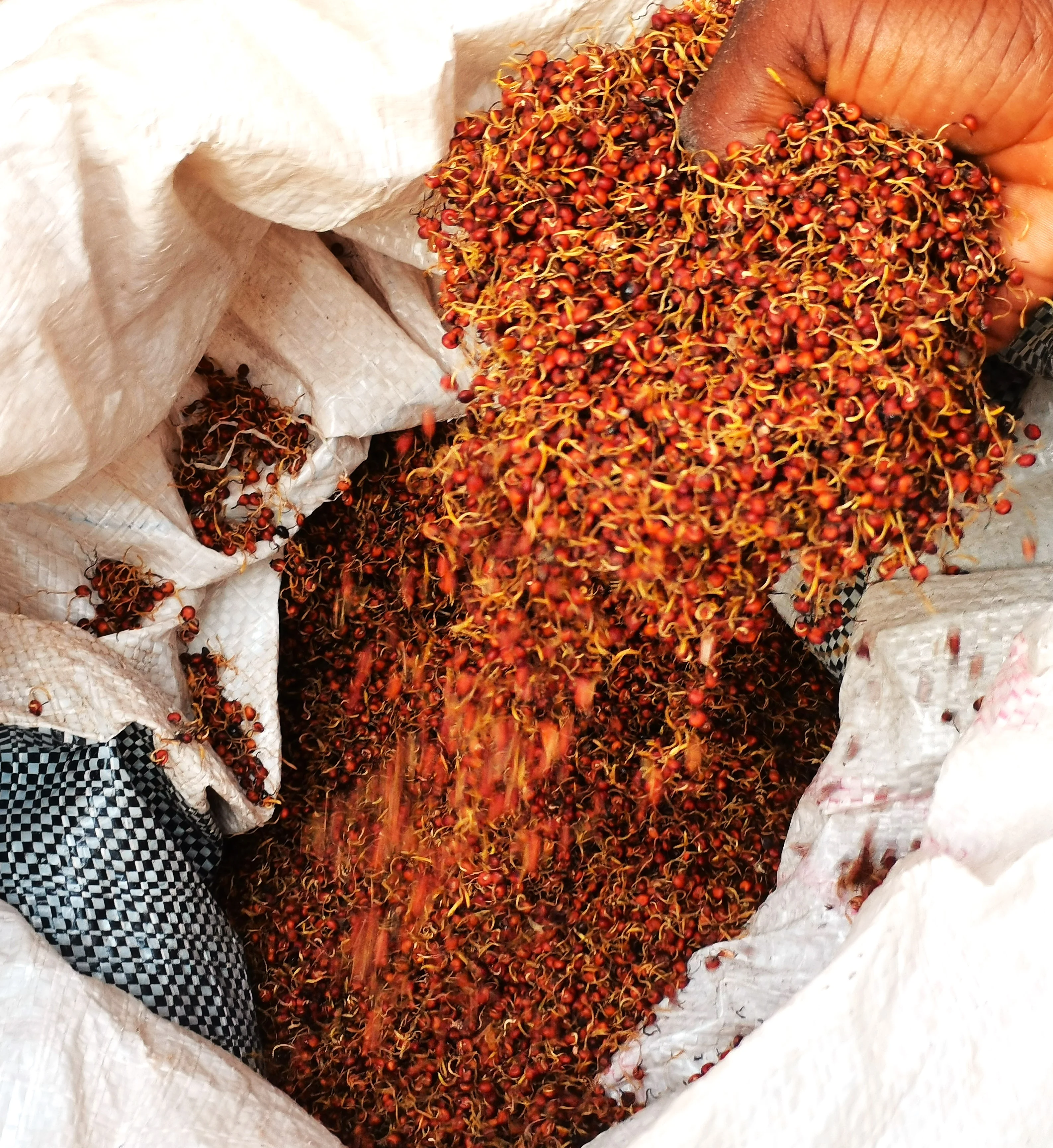
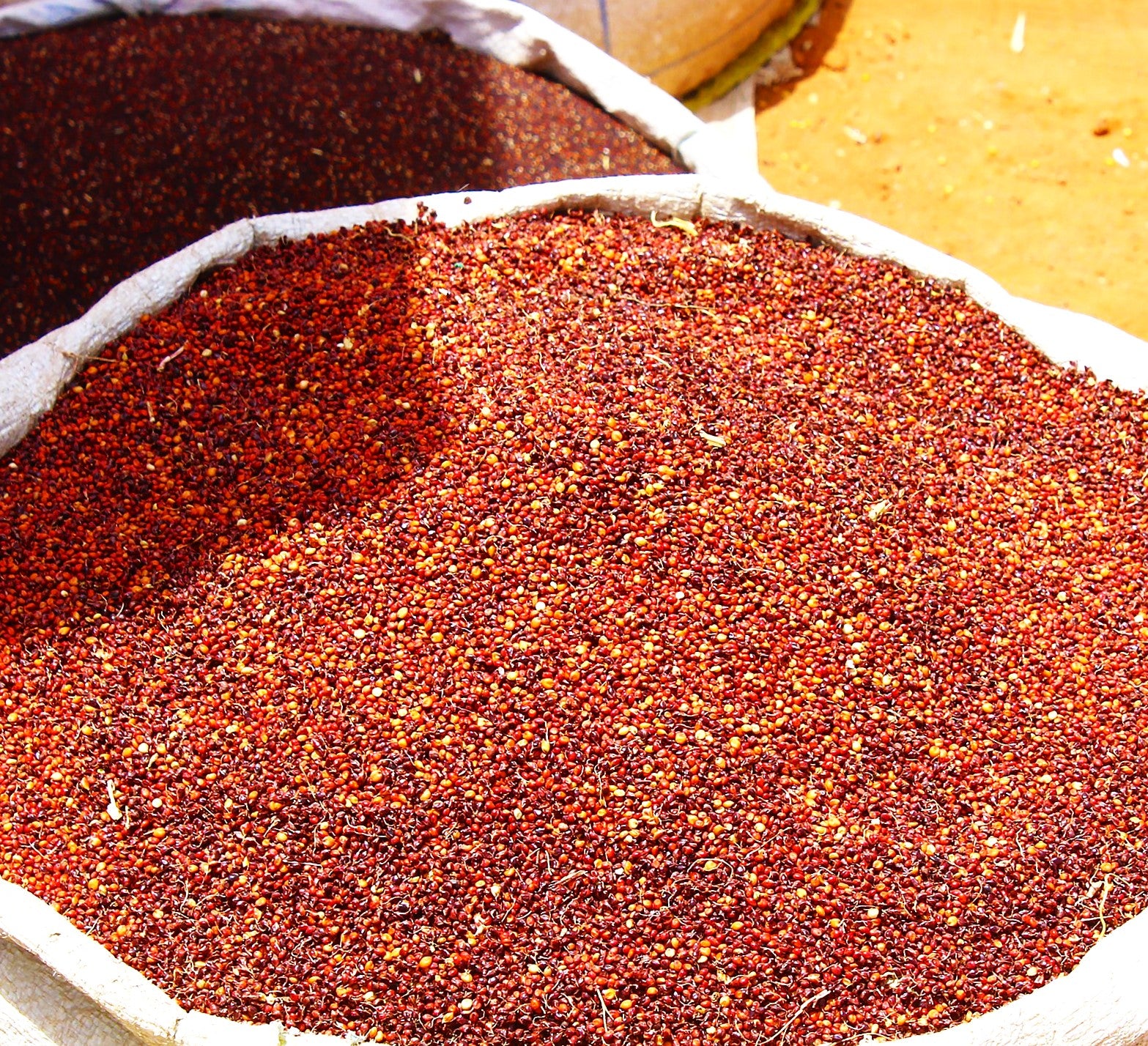
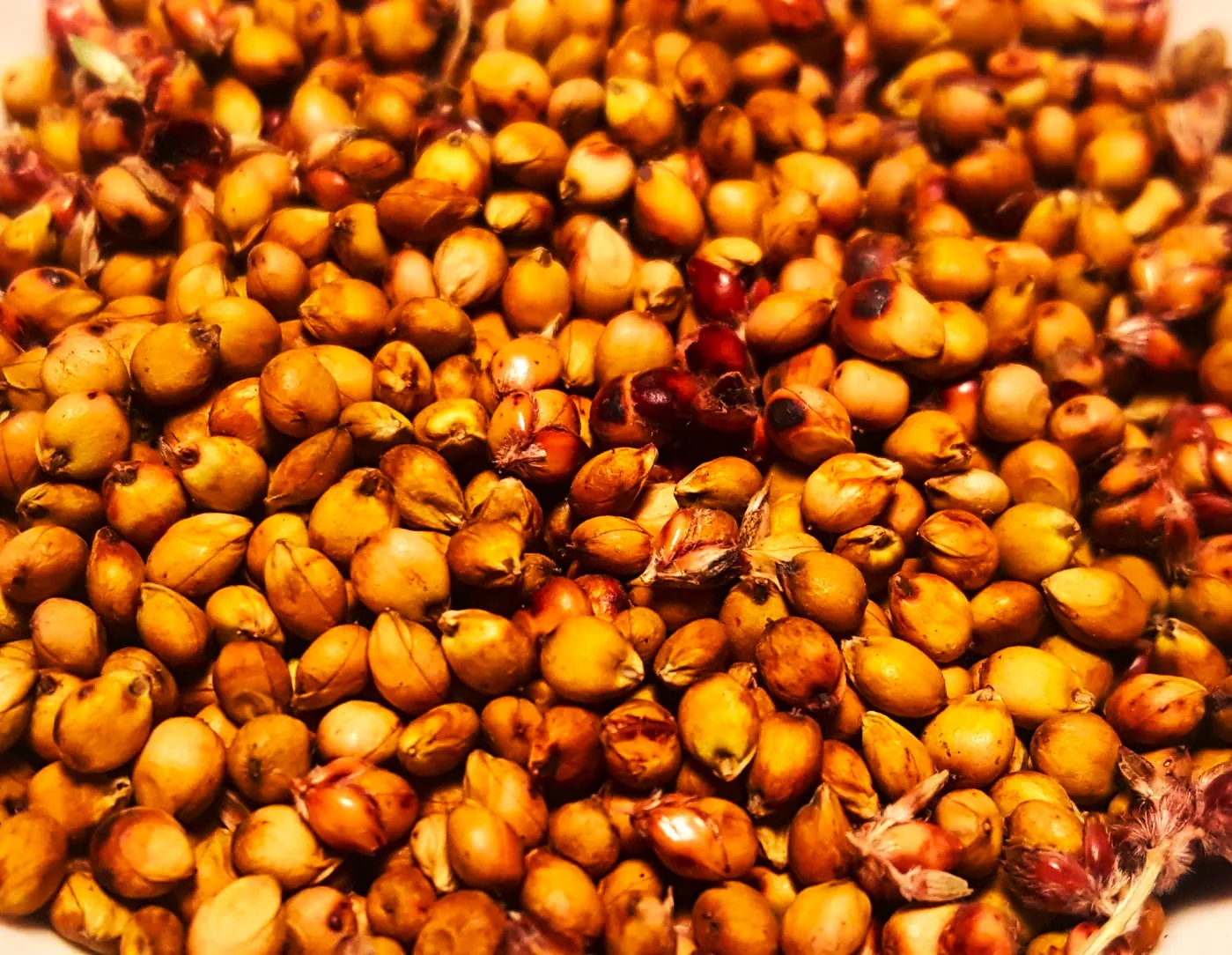
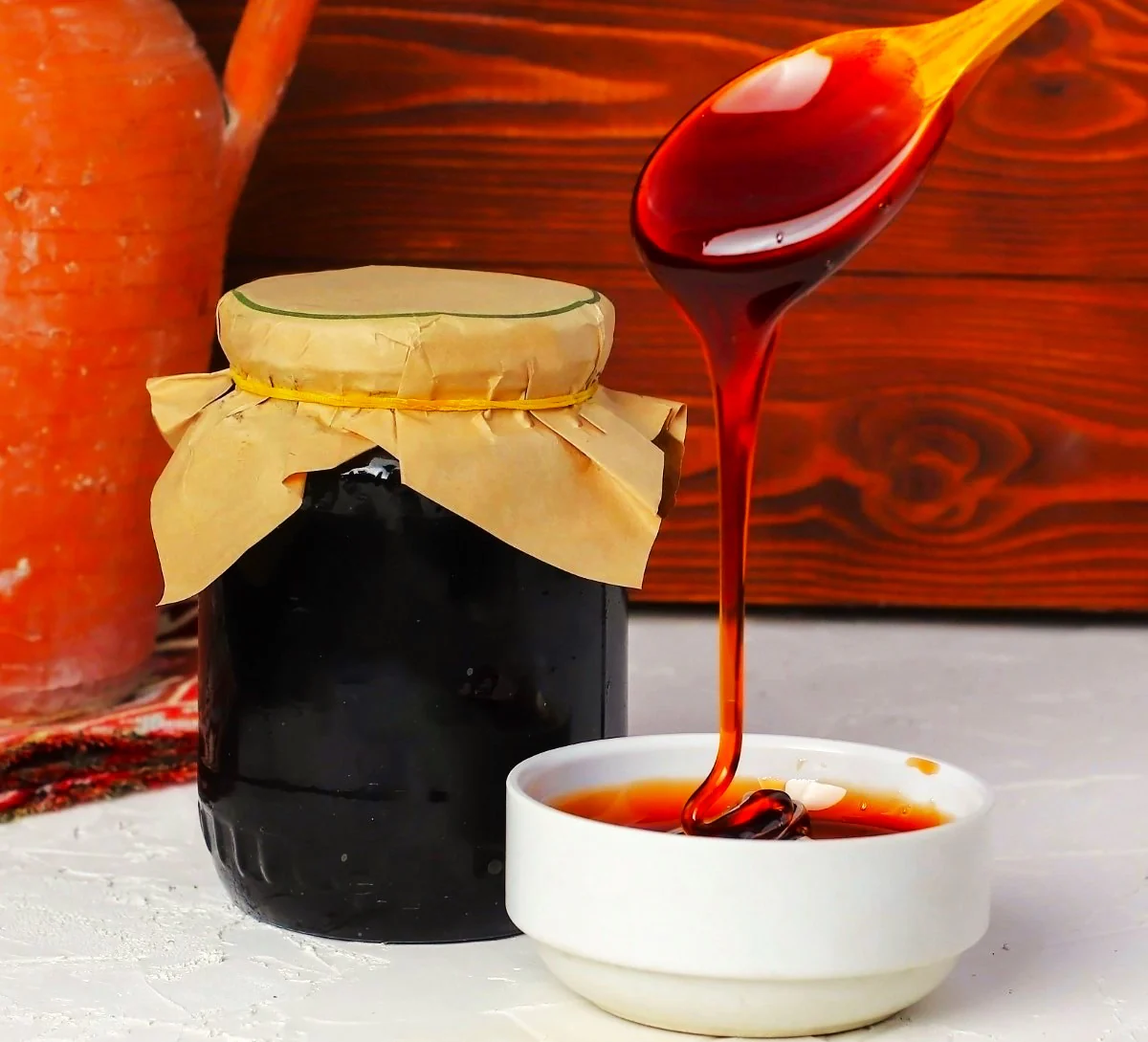
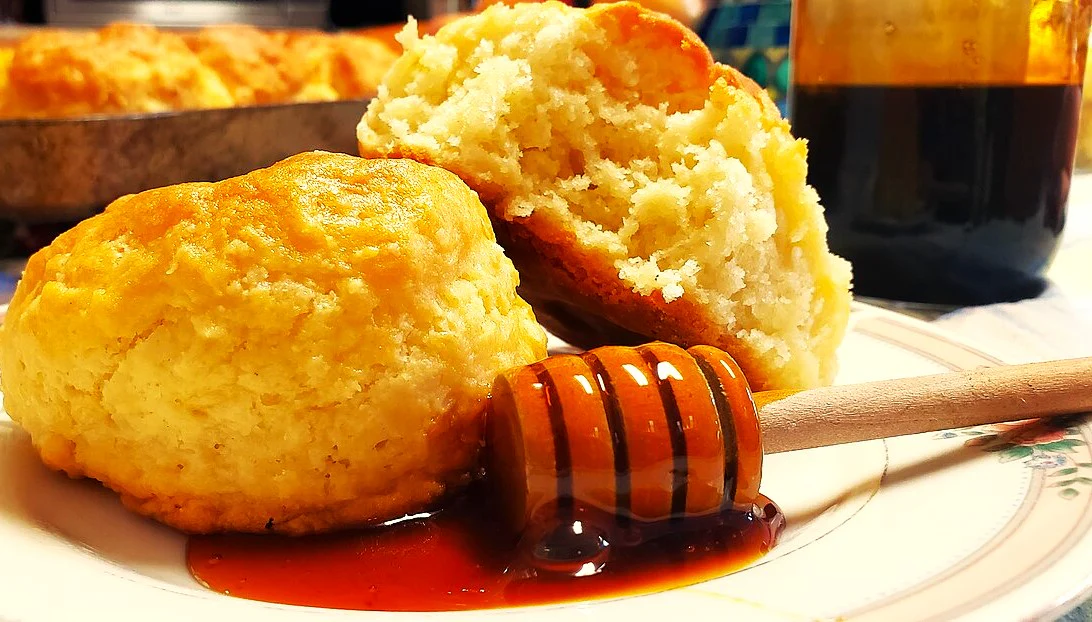
Rox Orange Syrup Cane Sorghum
Rox Orange Syrup Cane Sorghum
Also Known As: Rox Orange Sorghum, Syrup Cane, Sweet Sorghum, Sorghum Bicolor, African Millet, Sugar Drip, Orange Syrup Cane, Chinese Sugar Cane, Sorgo De Azúcar, Melaza De Caña, Amber Cane, Heritage Syrup Sorghum, Forage Sorghum, Silage Sorghum, Sweet Stalk Sorghum.
| Plant Name: | Sorghum, Rox Orange Sugar Cane |
| Latin Name: | Sorghum bicolor |
| Days to Germinate: | 7-14 |
| Days to Harvest: | 100 |
| Plant Height: | 6 - 16 Feet |
| Spread: | 2 - 3 Feet |
| Bloom Diameter: | 12 - 18 Inches |
| Growth Habit: | Upright |
| USDA Zones: | 2-12 |
| Lifespan: | Annual |
| Brand: | TomorrowSeeds |
| Sunlight: | Full Sun, Partial Shade |
| Pollination: | Heirloom, Open-Pollinated |
| GMO: | No |
| Fungicide-Treated Seeds*: | No |
| Seeds Packed For**: | 2026 |
**Seeds are freshly packed for the growing season of the year listed. Seeds are still viable beyond pack date. Store in a cool and dry location such as the refrigerator or basement to best preserve germination rates.
Planting Instructions:
Soil Preparation:
Choose an area with heavy, well-draining soil that receives at least 6 hours of sunlight each day. Remove weeds, large rocks, and litter from the planting area. Leave small weeds and dead grass, they will enrich the soil when turned under. Spade or till the soil 6-8 inches deep. Loosening the soil will help the plant establish strong roots. If the soil is heavy or clay-like, mix in some sand or compost to improve drainage. Optionally, form rows of soil beds 4-6 inches high and at least 2 feet apart. This formation of ridges will help with drainage, ensure good airflow, and make harvesting for cut flowers easier.
Planting:
Sorghum are best direct-sown because they don’t transplant well. Plant Sorghum outdoors in spring when soil temperatures warm to at least 60F. To plant, make holes 1/2 inch deep and spaced 6 inches apart down the rows of raised beds. Plant 1-3 seeds per hole, planting 2-3 seeds if choosing to thin to the strongest plant. When thinning, determine the strongest and healthiest plant, then remove all other plants, narrowing to a single plant per hole. Cover seeds thinly with soil and water after planting.| Planting Depth: | 1/2 inch |
| Within-Row Spacing: | 6 inches |
| Between-Row Spacing: | 2-3 feet |
Care During the Season:
Watering: Water the plants deeply, soaking the soil to a depth of 6-8 inches, once a week. If there is no rainfall, water 2 times a week. Sandy soils may need to be watered more often than heavy clay soils.
Weeding: Keeping plants weed-free improves production. If plowing or hoeing, do not dig deeper than 1 inch to prevent from cutting the feeder roots.
Fertilizing: Once seedlings are established, 3-4 weeks after planting, you may optionally apply 2 tablespoons of a complete fertilizer around each hole, or 1-2 pounds per 100 square feet, without letting the fertilizer touch the plants. Optionally, apply again mid-season in nutrient-poor soil. Water plants after fertilizing.
Insecticides: Insecticides may be used to protect plants. Bt-based insecticides and sulfur are organic options that can be used for prevention. Sulfur also has fungicidal properties and helps in controlling many diseases. Before using a pesticide, read the label and follow cautions, warnings and directions.
Diseases: If spots or mold appear, treat plants with an approved fungicide. Neem oil, sulfur, and other fungicides may be used. When using fungicides always follow label directions.
Harvesting:
Harvest Rox Orange Syrup Cane Sorghum in late summer to early fall, once the stalks are fully mature, tall, and firm, and the leaves begin to dry and yellow, indicating peak sugar content. Cut the canes cleanly at ground level using a sharp machete or pruners, then strip off the leaves and tops to expose the juicy stalks. Process the cane as soon as possible after cutting—ideally within 24 hours—to extract the juice and cook it down into rich, flavorful syrup. Delaying processing can reduce sugar quality, so prompt harvesting ensures the best sweetness and yield.
Product Information
Product Information
Shipping & Returns
Shipping & Returns
Description
Also Known As: Rox Orange Sorghum, Syrup Cane, Sweet Sorghum, Sorghum Bicolor, African Millet, Sugar Drip, Orange Syrup Cane, Chinese Sugar Cane, Sorgo De Azúcar, Melaza De Caña, Amber Cane, Heritage Syrup Sorghum, Forage Sorghum, Silage Sorghum, Sweet Stalk Sorghum.
| Plant Name: | Sorghum, Rox Orange Sugar Cane |
| Latin Name: | Sorghum bicolor |
| Days to Germinate: | 7-14 |
| Days to Harvest: | 100 |
| Plant Height: | 6 - 16 Feet |
| Spread: | 2 - 3 Feet |
| Bloom Diameter: | 12 - 18 Inches |
| Growth Habit: | Upright |
| USDA Zones: | 2-12 |
| Lifespan: | Annual |
| Brand: | TomorrowSeeds |
| Sunlight: | Full Sun, Partial Shade |
| Pollination: | Heirloom, Open-Pollinated |
| GMO: | No |
| Fungicide-Treated Seeds*: | No |
| Seeds Packed For**: | 2026 |
**Seeds are freshly packed for the growing season of the year listed. Seeds are still viable beyond pack date. Store in a cool and dry location such as the refrigerator or basement to best preserve germination rates.
Planting Instructions:
Soil Preparation:
Choose an area with heavy, well-draining soil that receives at least 6 hours of sunlight each day. Remove weeds, large rocks, and litter from the planting area. Leave small weeds and dead grass, they will enrich the soil when turned under. Spade or till the soil 6-8 inches deep. Loosening the soil will help the plant establish strong roots. If the soil is heavy or clay-like, mix in some sand or compost to improve drainage. Optionally, form rows of soil beds 4-6 inches high and at least 2 feet apart. This formation of ridges will help with drainage, ensure good airflow, and make harvesting for cut flowers easier.
Planting:
Sorghum are best direct-sown because they don’t transplant well. Plant Sorghum outdoors in spring when soil temperatures warm to at least 60F. To plant, make holes 1/2 inch deep and spaced 6 inches apart down the rows of raised beds. Plant 1-3 seeds per hole, planting 2-3 seeds if choosing to thin to the strongest plant. When thinning, determine the strongest and healthiest plant, then remove all other plants, narrowing to a single plant per hole. Cover seeds thinly with soil and water after planting.| Planting Depth: | 1/2 inch |
| Within-Row Spacing: | 6 inches |
| Between-Row Spacing: | 2-3 feet |
Care During the Season:
Watering: Water the plants deeply, soaking the soil to a depth of 6-8 inches, once a week. If there is no rainfall, water 2 times a week. Sandy soils may need to be watered more often than heavy clay soils.
Weeding: Keeping plants weed-free improves production. If plowing or hoeing, do not dig deeper than 1 inch to prevent from cutting the feeder roots.
Fertilizing: Once seedlings are established, 3-4 weeks after planting, you may optionally apply 2 tablespoons of a complete fertilizer around each hole, or 1-2 pounds per 100 square feet, without letting the fertilizer touch the plants. Optionally, apply again mid-season in nutrient-poor soil. Water plants after fertilizing.
Insecticides: Insecticides may be used to protect plants. Bt-based insecticides and sulfur are organic options that can be used for prevention. Sulfur also has fungicidal properties and helps in controlling many diseases. Before using a pesticide, read the label and follow cautions, warnings and directions.
Diseases: If spots or mold appear, treat plants with an approved fungicide. Neem oil, sulfur, and other fungicides may be used. When using fungicides always follow label directions.
Harvesting:
Harvest Rox Orange Syrup Cane Sorghum in late summer to early fall, once the stalks are fully mature, tall, and firm, and the leaves begin to dry and yellow, indicating peak sugar content. Cut the canes cleanly at ground level using a sharp machete or pruners, then strip off the leaves and tops to expose the juicy stalks. Process the cane as soon as possible after cutting—ideally within 24 hours—to extract the juice and cook it down into rich, flavorful syrup. Delaying processing can reduce sugar quality, so prompt harvesting ensures the best sweetness and yield.